Reverse Video Search: Find the source of a video
Select a video — we extract the number of keyframes you want and you can search them directly through Google Lens. 100% free tool. Automatic search option available with an account.
Reverse Video Search: Find the source of any video
Upload a video clip and our reverse video search instantly extracts key frames, runs each one through Google Lens, and returns the most likely original source across Instagram, TikTok, YouTube, Reddit and more. There is nothing to install and it is 100% free to start — the frames are extracted right in your browser.
Mobile Method 1: Video segmentation + Google Lens
Quick and efficient technique. This method is available directly through the Google app, which has Google Lens built in. App Store (iPhone) & Playstore (Android)
- 1. Upload a video
- 2. Save the first image
- 3. Open the Google app
- 4. Select an image
Note: If Google locates a product in the image, the algorithm will focus on the product. Be sure to select the entire frame so Lens searches the whole scene.
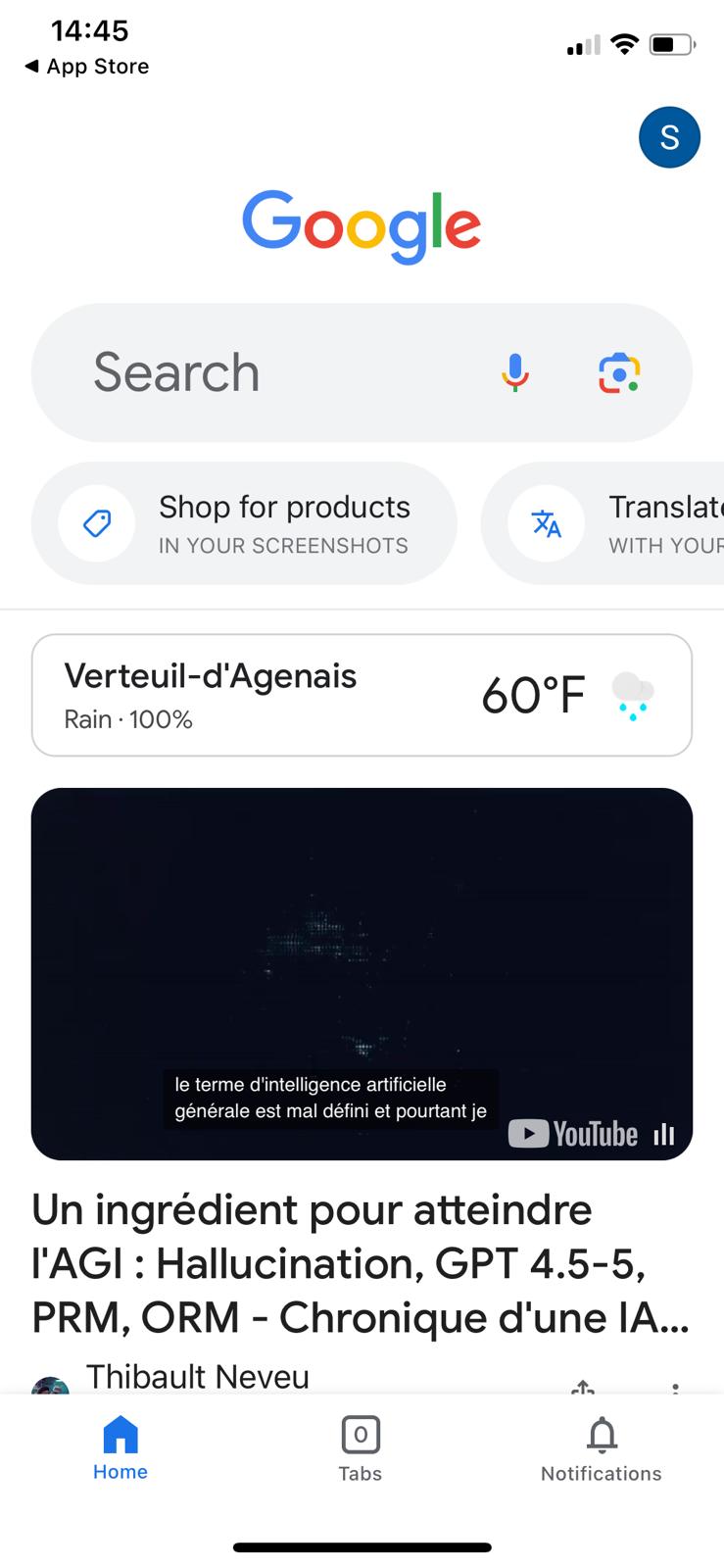
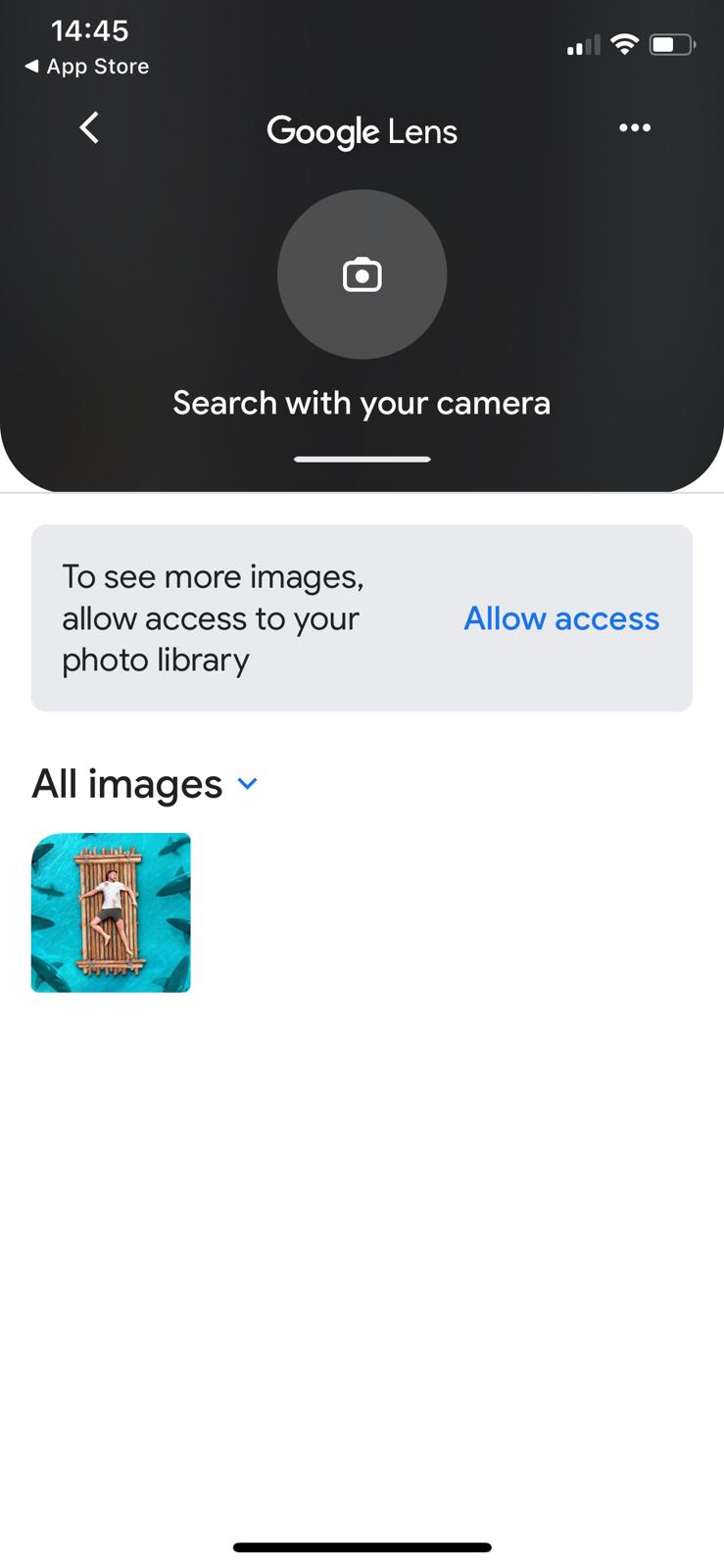
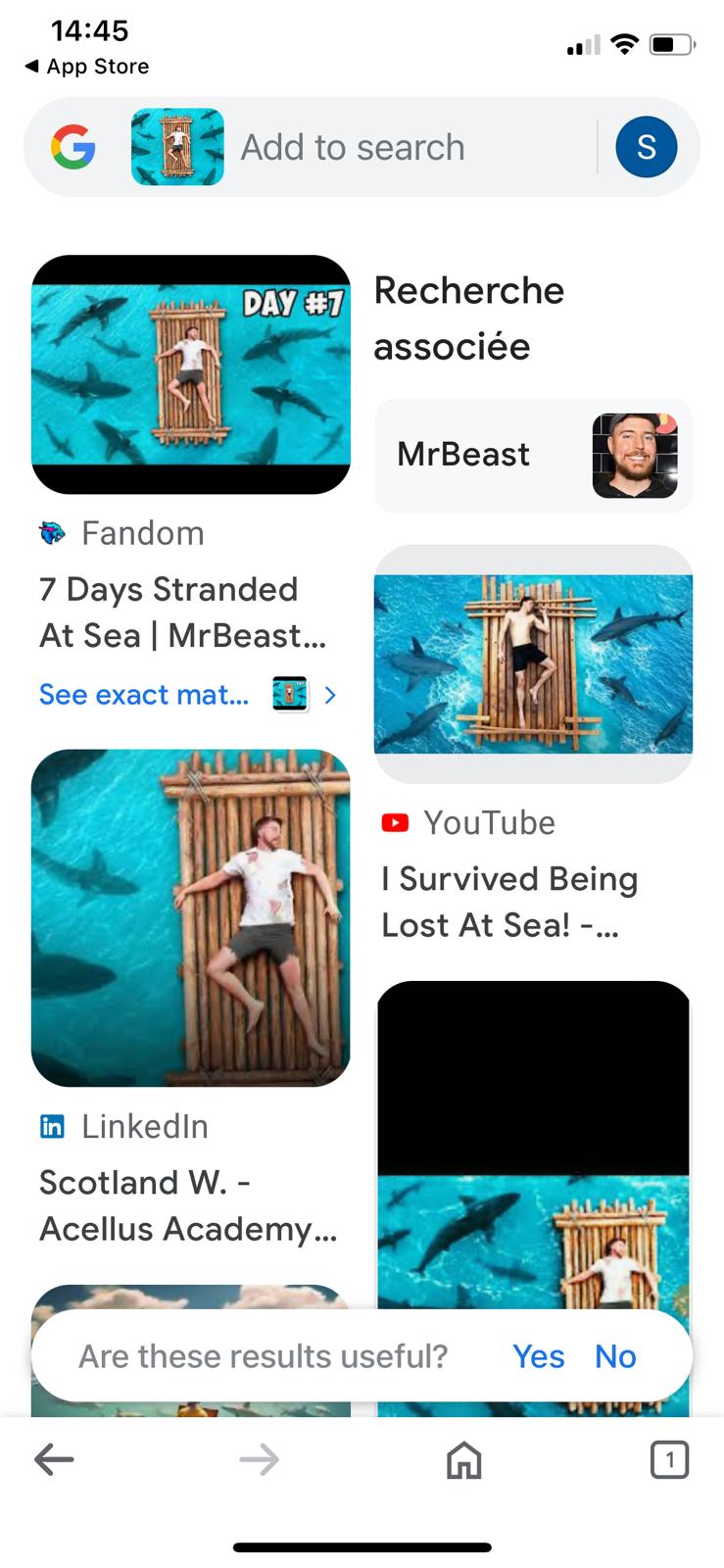
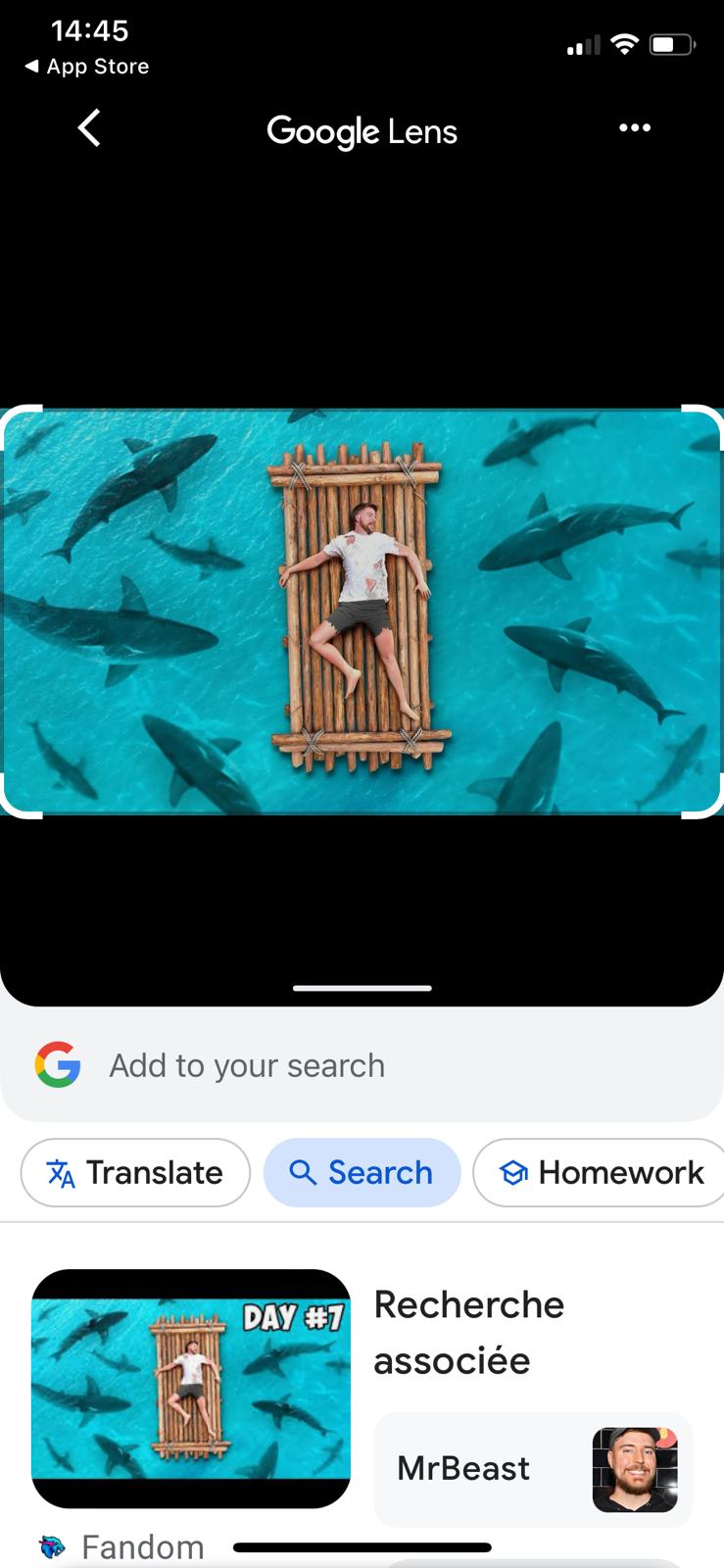
Mobile Technique 2: Video segmentation + Alternative to Google Lens
Using the screenshots you obtain, run a reverse image search on Bing Visual Search, Yandex Images, and TinEye. Using multiple search engines is beneficial: you tap into several powerful image databases at once and dramatically raise your odds of finding the original video source.
Computer Method 1: Video segmentation + Google Lens
Interesting and fast technique. It is 100% free and surfaces many additional sources.
- 1. Upload a video
- 2. Right-click on each image and "Search Google with this image"
- 3. Open the first results, and identify the source indications on the videos
Note: If Google locates a product in the image, the algorithm will focus on the product. Be sure to select the entire frame so Lens searches the whole scene.
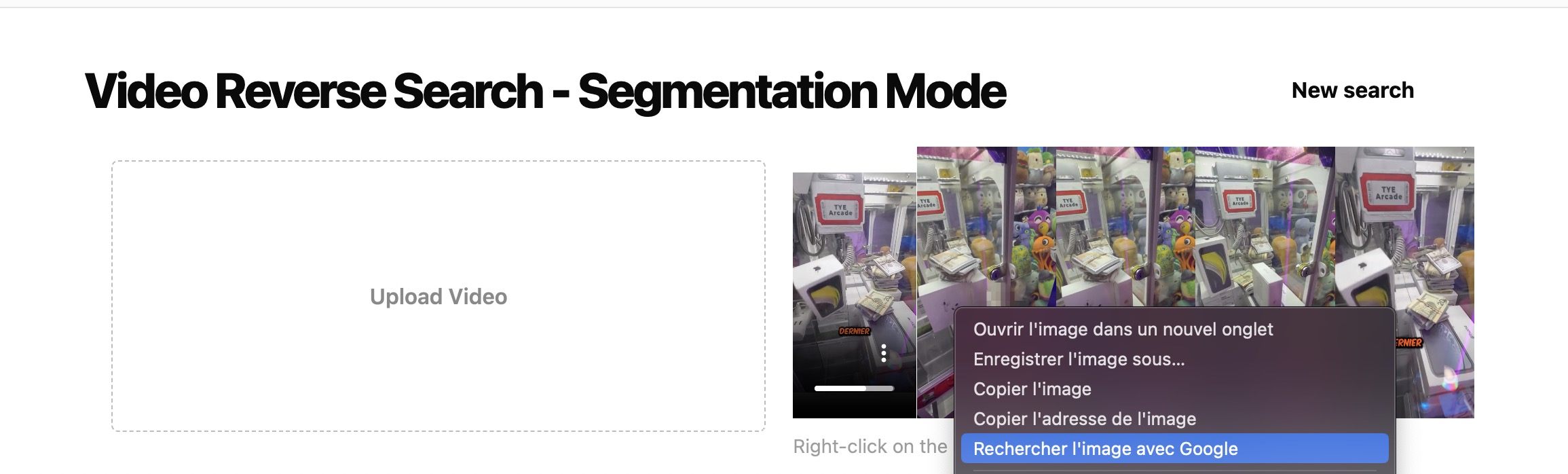
Computer Method 2: Video segmentation + Google Lens Alternative
Using the screenshots obtained through segmentation, search on Bing Visual Search, Yandex Images, and TinEye. Querying multiple reverse image engines is beneficial: you access multiple powerful databases and catch matches a single engine would miss.
What is reverse video search?
Unlike reverse image search, which takes a single still picture as input, reverse video search takes a moving clip, extracts several representative key frames from it, and queries each frame against large visual indexes like Google Lens. The engine then aggregates the matching URLs and cross-references them across frames to pinpoint the single most likely source — typically the original creator's account on Instagram, TikTok, YouTube or Reddit. Because multiple frames are checked at once, a single blurry or ambiguous frame cannot poison the result. It is the fastest way to credit a creator, debunk a reposted clip, or locate the uncropped, higher-resolution version of a viral video.
How reverse video search works
- 1
Extract still frames from the video
Your clip is loaded locally in your browser and sampled into several representative key frames — one every few seconds. Nothing is uploaded at this stage, so the original file stays on your device.
- 2
Reverse-search every frame
Each frame is pushed through a reverse image engine — Google Lens by default, plus Bing Visual Search, Yandex Images and TinEye on the advanced pipeline — to collect every page that hosts a matching image.
- 3
Aggregate and rank the sources
The URLs found across all frames are cross-referenced, de-duplicated and ranked, so the most consistent match rises to the top and is surfaced as the likely original source.
When to use reverse video search
Credit the original creator of a clip that went viral on TikTok or Instagram Reels.
Fact-check a video to verify whether it is recent or reposted from years ago.
Find the uncropped or higher-resolution version of a watermarked clip.
Verify a product demo or ad before buying to avoid dropshipping scams.
Track content theft of your own videos across platforms.
Research footage for a documentary, thesis, or journalistic investigation.
Supported platforms
Our reverse video search aggregates results across the platforms where most videos originate, so you can trace a clip back to its true original source:
Instagram (Reels and feed posts)
TikTok (videos and photo carousels)
YouTube (long-form videos and Shorts)
Reddit (v.redd.it and embedded videos)
X / Twitter (native video)
Facebook (public videos and Reels)
Tips for the best results
Pick sharp, well-lit frames — motion blur and dark scenes weaken the match.
Try several different frames; a shot that shows a face, logo or on-screen text usually matches best.
Crop to the main subject if Google Lens locks onto a background product instead of the scene.
When one engine draws a blank, run the same frame through Bing, Yandex and TinEye — each indexes different pages.
Frequently asked questions
QHow does reverse video search work?
The video is loaded locally in your browser and split into several still frames (one every few seconds). Each frame is then queried against a reverse image engine such as Google Lens. The URLs returned across all frames are aggregated and ranked, and the most frequent or most trustworthy match is surfaced as the likely original source.
QCan I reverse-search a video on my phone?
Yes. The whole flow runs in a mobile browser. For the highest-quality match we also document a manual path using the Google app on iOS and Android, which opens Google Lens directly on any saved frame.
QWhat's the difference between reverse image search and reverse video search?
Reverse image search takes one still picture as input. Reverse video search takes a moving clip, samples multiple frames automatically, and cross-references the results so that one bad frame does not poison the match. It is essentially reverse image search run in parallel across time.
QWhich platforms does it find sources from?
Results commonly point back to Instagram, TikTok, YouTube, YouTube Shorts, Reddit, X/Twitter, and Facebook. Because the underlying engine is Google Lens, any public video indexed by Google is a potential match.
QIs reverse video search free?
The core tool is free. A paid plan unlocks the advanced pipeline that runs multiple frames through several engines in parallel and aggregates them — useful when the free single-frame Google Lens search does not find a match.
QIs my video uploaded to a server?
Frame extraction happens locally in your browser. Only the extracted frames are uploaded for searching — the full video file never leaves your device.
QHow accurate is it?
Accuracy depends on whether the source video is public and already indexed by Google. For viral clips on Instagram Reels, TikTok or YouTube Shorts, the success rate is typically high. For private or very recently posted videos, results are more limited.
QWhat video formats can I use?
Anything your browser can play works — MP4, MOV and WebM are the most reliable. Because frames are read directly in the browser, there is no server-side conversion step and most phone recordings work out of the box.
QHow many frames should I extract?
Three to five frames is the sweet spot for most clips: enough angles to survive a bad frame without wasting searches. Very short or static videos may only need a single clear frame, while longer edits benefit from more.
Made with ❤️ by Emile - All videos are processed locally, no video is uploaded to our servers.